Essay
What Do You Call It?
Gaming’s biggest hurdle may be to reach outward—beyond the masses, to the upper echelons of culture. Lana Polansky attended the Montreal International Game Summit 2011 and came back inspired, if not brimming with answers.

Essay
Gaming’s biggest hurdle may be to reach outward—beyond the masses, to the upper echelons of culture. Lana Polansky attended the Montreal International Game Summit 2011 and came back inspired, if not brimming with answers.

Interview
The Thief designer and Tiger Style founder Randy Smith tells us about the heroes, adventures, and games of his youth in Vermont.
Review
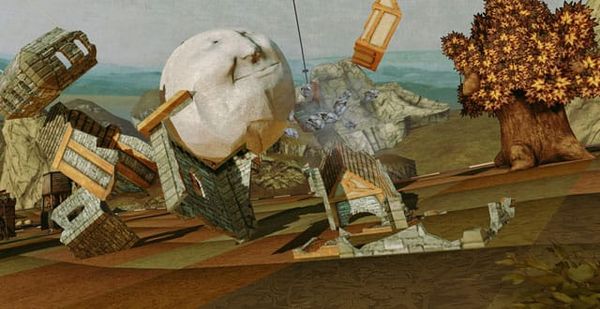
Lana Polansky reviews Rock of Ages, a boulder-rolling downloadable title that also crashes through history and eons of accumulated wisdom about art and ourselves.
Review
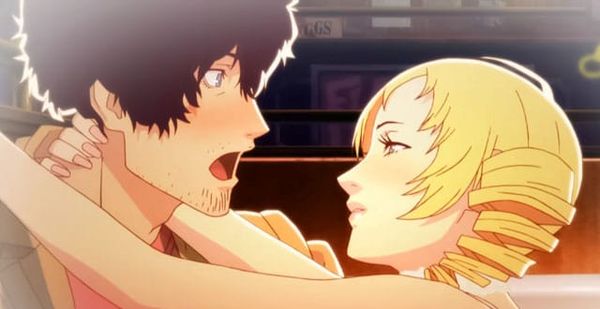
Lana Polansky delves into the psychology of Atlus’s Catherine, and finds some disturbing—yet fascinating—tendencies not seen since Freud.
Article
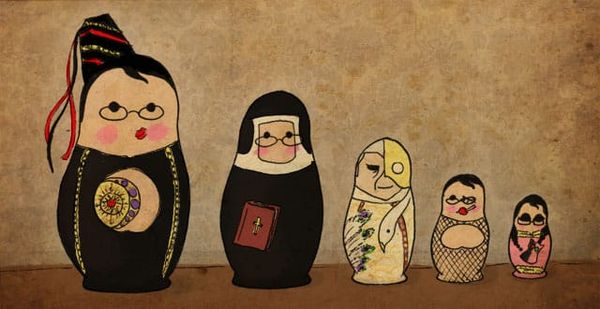
Can videogame characters be thought of in literary terms? How can our avatars become more than containers for our whims, biases and fantasies? How can videogame characters demonstrate moral ambiguity, subtlety and growth? Lana Polansky uncovers the layers of character in Bayonetta, a game whose prot
Review
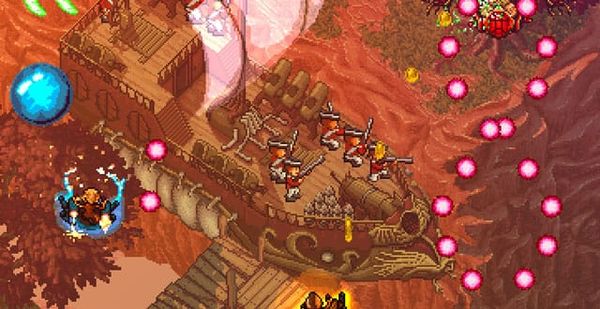
A steampunk take on Sir Walter Raleigh and Jamestown is more than speculative history—it’s a shared sensation. Read Lana Polansky’s take on how the indie shoot ’em up Jamestown takes its genre conventions a step ahead of the pack.
Review
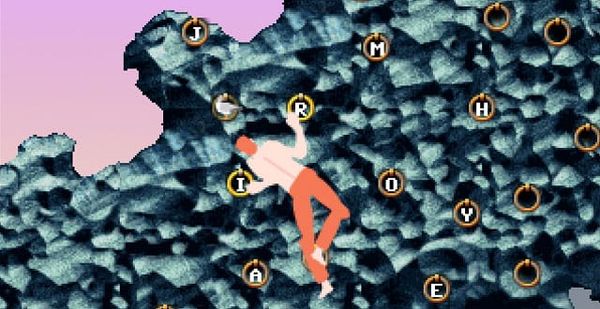
Bennett Foddy’s GIRP reminds us of the human instincts to survive and to improve. Lana Polansky explores how GIRP captures what it’s like to feel over-exerted—and the sense of accomplishment that comes from outdoing one’s own expectations.
Review
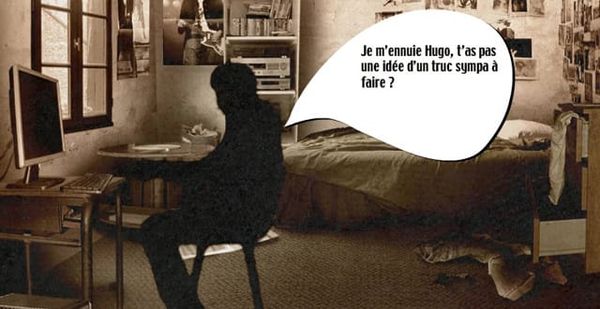
The year is 2025. You’re a detective, apparently. You specialize in data alteration, or something. Inexplicably, this phishing site called dénicheur.net has drudged up the embarrassing personal information of four old acquaintances, threatening an important event in each of their lives. Fred, Anaïs,
Article
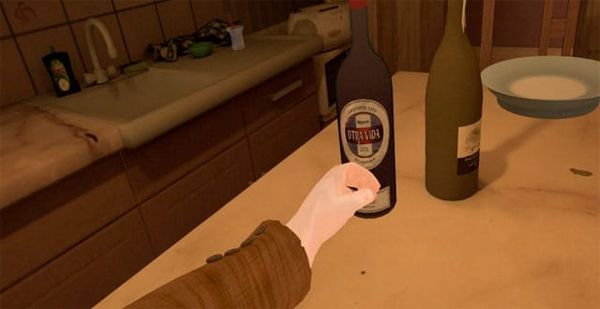
If videogames are two things, they are spatial and temporal: concepts a Kantian would say are human instincts. Likewise, poetry often uses space (imagery) and time (rhythm and meter) to magnify the emotional details of human experience. Dinner Date poeticizes our small, unconscious tics. A tutorial