Review
SOMA finds the horror inherent in glitch art
The hell of malfunctioning machinery in SOMA

Review
The hell of malfunctioning machinery in SOMA
News
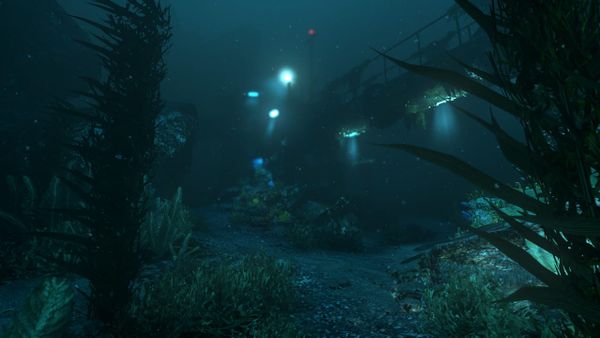
Sci-fi survival horror game SOMA wants to mess with your head in every way imaginable. Set in a remote underwater research facility doing some wacky shit with robots and artificial intelligence, the player must survive the aftermath of its collapse into chaos. While recalling visuals from BioShock‘s
News
Like watching Disney movies during a bad trip Can’t sleep, baby’ll eat me Who said cartoons are just for kids? Welcome to Disney’s Midnight Channel It’s like Zelda, but…I need an adult

Article
The “fantastical anuses” (among other things) of SOMA.
News
“Reality is that which, when you stop believing in it, doesn’t go away.” – Philip K. Dick Humanity’s centuries-old attempt to understand our own consciousness, from philosophy to biology, can basically be summed up by one single image: a dog trying to chase its own tail. From Descartes’s declaration
News
Videogames are stuffed to the brim with “fun” little feedback loops, like level-maxing and crossbow upgrades and loot-a-thons. But according to Thomas Grip, author of some of the most hair-raising horror games around, such as Amnesia: The Dark Descent and the anticipated SOMA, those delicious system
News
Horror games are currently in a rut with their slasher film mentality says Thomas Grip, designer of games that chickens like me stay far, far away from. Speaking with Rock, Paper, Shotgun about his upcoming title SOMA, he explained that scary games have yet to evolve from gory, cheap scares into a m
Article
“We are going to have make a shit-ton of content.”

Interview
In praise of walking and looking.
Interview
Dan Pinchbeck pushed into dark psychological territory with Amnesia: A Machine for Pigs, crafting a protagonist whose moral compromises reflect real horrors.

Review
The road to hell is paved with good intentions—and Neo-Parisian cyberpunk
News
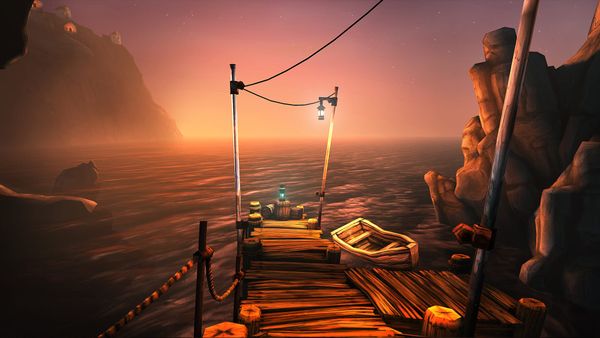
Back in September 2011, two lads out of Manchester founded a small development studio named White Paper Games. The chosen logo was an origami crane, an apt symbol of what kind of games they aspired to make: aesthetically graceful objects, made from familiar material, twisted into thoughtful, complex